The Blog to Learn More About health benefits of different millets and its Importance
Millets Types: Exploring the Different Types of Millets and Their Powerful Health Benefits
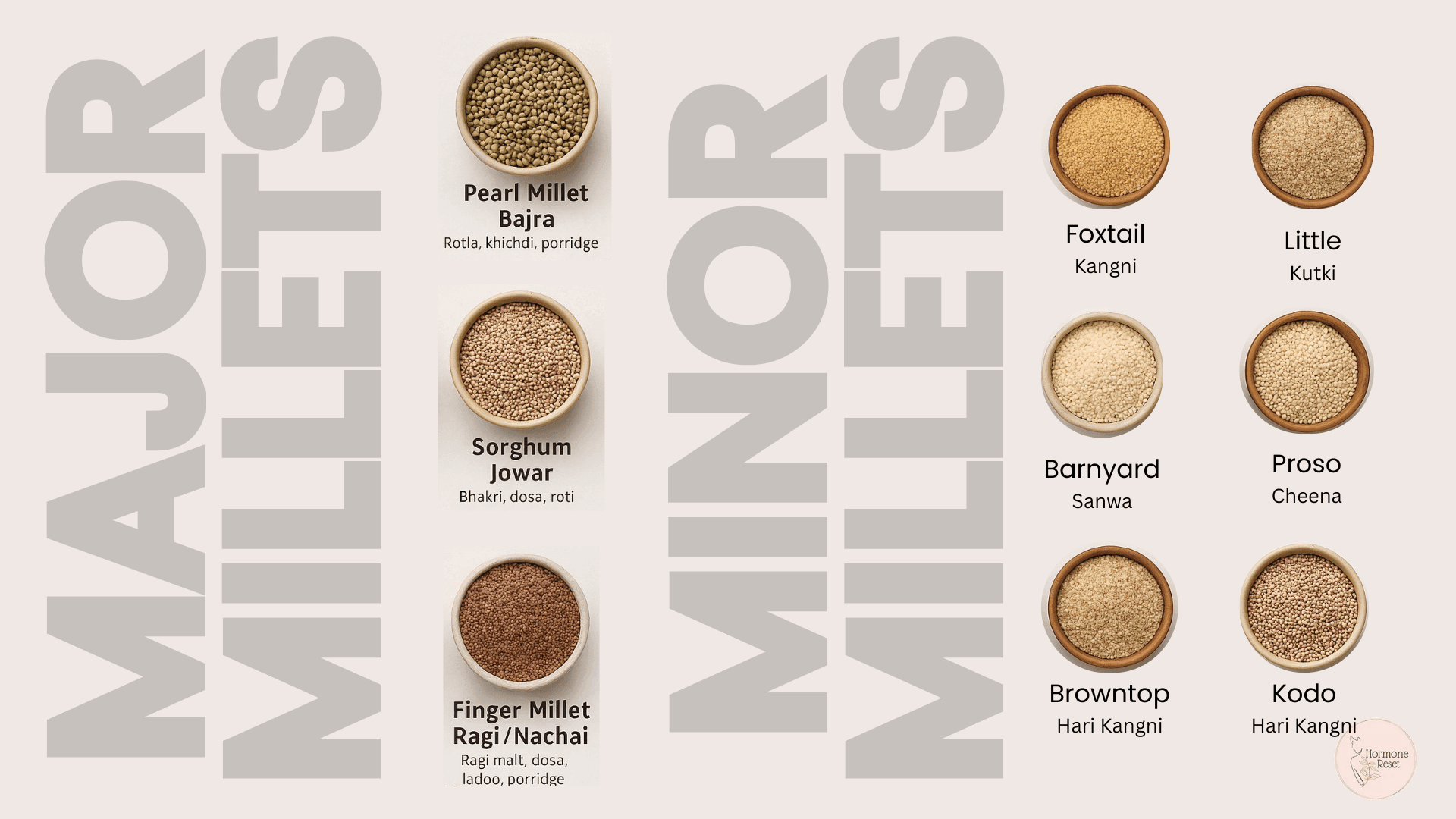
Millets have long formed part of traditional diets, recognised for their hardiness, versatility, and exceptional nutritional value. Today, as people increasingly seek natural and wholesome foods, interest in millets types has grown rapidly. From asking how many types of millets are there to assessing what type of millet is the healthiest, many are turning back to these traditional grains for their outstanding health benefits. This guide explores the different types of millets and their nutritional values, helping you choose the best millets for health based on your dietary needs.
1. Pearl Millet (Bajra)
Pearl millet remains among the most extensively grown grains across India and Africa. It is rich in protein, fibre, iron, and magnesium, making it a strong contender among the best millets for health. Recognised for promoting cardiovascular wellbeing and aiding digestion, pearl millet also assists in stabilising blood glucose thanks to its low glycaemic index. Within the wide range of types of millets and their benefits, pearl millet is notable for enhancing stamina and supporting immune function.
2. Finger Millet (Ragi)
Finger millet, commonly known as ragi, is particularly valued for its exceptionally high calcium content. Consequently, it plays an important role in strengthening bones for both growing children and ageing individuals. It also contains essential amino acids and antioxidants that promote overall wellness. When discussing health benefits of different millets, ragi is often highlighted for supporting weight management and improving haemoglobin levels.
3. Foxtail Millet
Foxtail millet is rich in dietary fibre and complex carbohydrates, offering sustained energy release. It is widely chosen by those managing diabetes as it supports stable blood sugar levels. Within the broader type of millets category, foxtail millet is appreciated for enhancing heart function and improving digestion.
4. Little Millet
Though tiny in appearance, little millet provides impressive nourishment. It is a source of B vitamins, iron, and beneficial fats. Within the spectrum of types of millets and their benefits, little millet contributes to nervous system support and cholesterol reduction. Its versatility makes it ideal for preparing porridge, upma, and rice alternatives.
5. Kodo Millet
High in fibre and antioxidants, kodo millet offers notable health advantages. It assists in detoxification and promotes gut health. Dieticians frequently recommend kodo millet as one of the best millets for health for its impact on weight control and metabolic stability. In analysing the different types of millets and their nutritional values, kodo millet stands out for its anti-inflammatory potential.
6. Barnyard Millet
For those prioritising low-calorie and nutrient-packed foods, barnyard millet is an excellent option. Its substantial iron and fibre levels make it favourable for stabilising blood glucose. Within the discussion of what type of millet is the healthiest, barnyard millet frequently appears due to its low carbohydrate content and easy digestibility.
7. Proso Millet
A harmonious blend of protein and carbohydrates characterises proso millet. Its gluten-free nature and muscle-supporting nutrients make it appropriate for people sensitive to gluten. As more people explore how many types of millets are there, proso millet is being acknowledged for its cardiovascular benefits and sustained energy support.
8. Sorghum (Jowar)
Although sometimes grouped separately, sorghum is often included among major millets types. It contains substantial antioxidants, protein, and fibre. Sorghum aids digestion while combating oxidative damage. Within the health benefits of different millets, jowar is recognised for enhancing cardiovascular function and delivering lasting energy.
Pseudo Millets: A Special Category
Apart from conventional varieties, pseudo millets including buckwheat and amaranth are commonly incorporated into diets. Despite not being true millets from a botanical perspective, they offer similar health benefits and health benefits of different millets are frequently included in the same category. These grains are rich in protein and essential minerals, expanding the variety within the broader type of millets category.
How Many Types of Millets Are There?
When asking how many types of millets are there, the answer depends on classification. They are typically classified as major or minor millets. Primary varieties consist of pearl millet and sorghum, whereas minor types include finger, foxtail, little, kodo, barnyard, and proso millets. Including pseudo millets broadens the category further. Each variety offers unique nutritional advantages, and understanding the types of millets with pictures helps consumers identify them easily in markets and kitchens.
What Type of Millet Is the Healthiest?
Deciding what type of millet is the healthiest ultimately depends on specific nutritional priorities. When focusing on bone health, finger millet excels thanks to its calcium richness. For blood sugar control, foxtail and barnyard varieties are often chosen. For heart health and iron intake, pearl millet is highly beneficial. Instead of selecting only one variety, rotating different types of millets and their nutritional values promotes comprehensive nutrition.
Conclusion
Millets offer a powerful combination of nutrition, sustainability, and versatility. From pearl and finger millet to less familiar grains such as kodo and proso, the spectrum of millets types caters to varied health requirements. Understanding the types of millets and their benefits empowers individuals to make informed dietary choices. Incorporating a mix of these grains into everyday diets allows you to experience the complete range of health benefits of different millets and maintain lasting wellbeing.